Floor Plan Traditional Japanese House
Floor Plan Traditional Japanese House - Japanese house plans can vary from traditional to contemporary styles, depending on the needs of the homeowner. The courtyard in a traditional japanese house is often surrounded by sliding. Japanese house floor plans prioritize flexibility and adaptability. If you look at a traditional japanese house floor plan, you will see 土間, which literally translates to earth floor, which may have been the case years ago.
Popular 37+ Japan House Floor Plan
What is important in the floor plan of japan is whether or not the. This design principle emphasizes the importance of open spaces, clean lines, and minimalistic aesthetics. A frank lloyd wright house with coffered ceilings and floating stairs.
The Wood In Japanese Houses Is Often Stained But Never Painted, Since Paint Would Cover The Highly Prized Grain.
There are several types of traditional japanese floor plans worth. The home is not only a residence but also a place. Each courtyard differs in scale, sunlight and height, creating.
Engawa Serves As A Transitional Zone Between The Interior And Exterior, Offering Residents.
The layout often includes a separate area for food preparation and cooking. Traditional japanese house floor plans (with drawings) the minka is the japanese traditional architecture design that is characterized by tatami floors, sliding doors, and wooden verandas. Courtyards are typically enclosed by walls or fences, creating a sense of.
Key Elements Of Traditional Floor Plans Include:
The layout of traditional japanese house plans with a courtyard typically revolves around the concept of ma, which refers to the empty space between objects. ### key characteristics of japanese house plans 1. Exploring the different types of japanese houses.
The Ōmune Is The Main Ridge Of The Roof, The Highest Section Of The House.
The layout is based on a modular system known as the ken, a standard unit of measurement. These homes often showcase a seamless integration of indoor and outdoor elements, creating a harmonious and peaceful living environment. In europe and the united states, the floor plan term is by the number of bedrooms and bathrooms, such as 5bed + 3bath.
Doma As Seen In A Japanese Floor Plan.
For a japanese house, the doma is an indoor multipurpose space. The umbrella style has one vertical central post in the middle of the house, and 4 horizontal beams that extend outwards from that post. In japan, the bathing space and toilet are usually separated, and there is one toilet on each floor and only one bathing place for the entire family.
Traditional Japanese Houses Have A Special Relationship With Nature.
At the entrance of a traditional japanese house is the doma. the doma is a multipurpose area with a hard floor that acts as the connection between the inside and the outside of the house. The reverse floor plan puts the open living area upstairs, along with one of the two bedrooms. The hard floor allowed the doma to be used as the kitchen or as a workplace during wet or colder weather.
Entire Shoji Walls Can Be Pushed Aside, Creating An Intimate Unity With The Garden.
One of the distinctive features of traditional japanese house plans is the use of sliding doors known as fusuma and shoji.. These doors allow for flexible room configurations and create a seamless transition between indoor and outdoor spaces. Farmhouses (noka) fishermen's houses (gyoka) mountain houses (sanka) urban houses (machiya) when you think of a traditional japanese house, you likely picture the embodiment of authentic japanese architecture.
It Was Designed By Osumi Yuso Architects Office, Known For Its Expertise In Traditional Japanese Architecture.
The traditional japanese post and beam framework and the bamboo ceiling are. Plan ahead by booking your shinkansen. It serves multiple purposes, including providing natural light and ventilation, creating a tranquil ambiance, and offering a private outdoor space for relaxation or contemplation.
In Extreme Cases, The Best Part Of A Lot Was Given Over To The Garden, And The House Design On The Land Left Over.
Every dimension in a japanese house relates to the module of a tatami mat. It encloses the munegi, or ridge beam. The ultimate guide to traditional japanese housing japanese residential structures (minka) are categorized into four kinds of housing before the modern versions of japanese homes.
A Blend Of Tradition, Modernity, And Efficiency Japanese House Plans Are Renowned For Their Unique Blend Of Traditional Aesthetics, Modern Functionality, And Efficient Use Of Space.
Tatami mats, made of rice straw and. The styles are further divided into the kyoma and the inakama, and each is unique. The small house has 74.7 m 2 (804 ft 2) of inside living space.
Rooms Are Designed To Be Interchangeable, With Movable Partitions And Screens Allowing For Different Configurations.
The exterior elements of a traditional japanese house. Currently, however, doma is typically made from concrete. Key features of traditional japanese house plans.

NiceTraditionalJapaneseHouseFloorPlanInFujisawa Traditional japanese house, Japanese

Traditional Japanese House Plans Japanese Floor Plans House Traditional Style Plan Small Suburbs

22+ New Traditional Japanese House Plans With Courtyard

Traditional Japanese House Floor Plan Google Search JHMRad 19257

AmazingTraditionalJapaneseHouseFloorPlanDesignIdea743×1024 Home design floor plans

40+ Japanese Home Floor Plan Designs, Popular Style!

Floorplan of traditional Japanese structureperfect for small summer house. Traditional

Traditional Japanese House Design Floor Plan JHMRad 38917
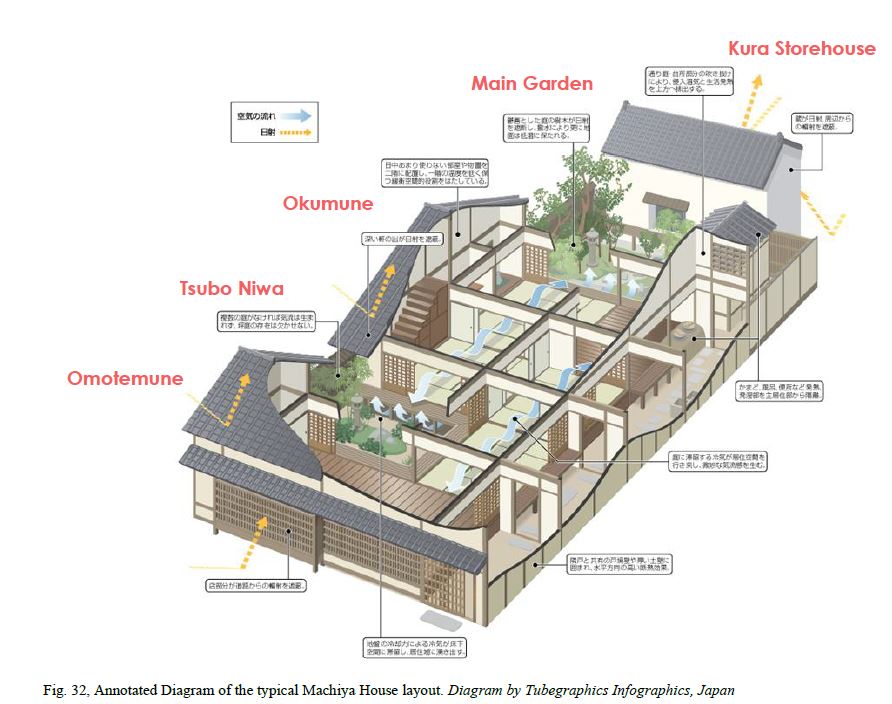
Traditional Japanese House Floor Plans

Traditional Japanese house plan Traditional japanese house, Japanese style house, Japanese

Japanese House Plan The minka floor plans are categorized in two ways.

Japanese Home Floor Plan

42+ Inspiration Traditional Japanese House Layout

Popular 37+ Japan House Floor Plan

37+ Traditional Japanese House Plans Free
